Sports Massage After a Workout: Benefits, Timing & What to Expect

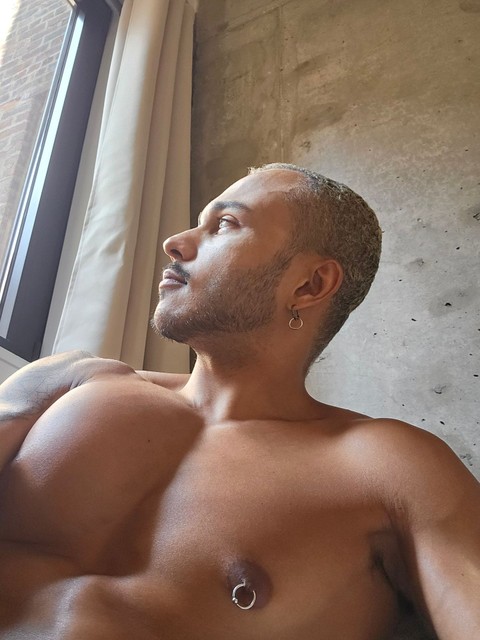
You finished a hard leg day, a long run along the Hudson or your first week back at the gym. The next morning, the stairs at the subway station feel twice as tall. Sore, tight muscles are a normal part of training, and many people ask the same question: should I get a massage after a workout?
As a certified masseur and personal trainer in NYC, I've seen both sides of this, on the gym floor and on the massage table. In this guide I'll share what sports massage is, how it can support your recovery and when to book one.
What Is a Sports Massage?
A sports massage is a focused, purposeful massage designed for people who move their bodies regularly. You don't need to be a professional athlete. If you lift, run, cycle, dance, do yoga or simply walk all over the city, your muscles work hard, and they can benefit from attentive care.
Compared with a classic relaxing massage, a sports massage usually:
- Targets the areas you train most, such as legs, glutes, back, shoulders or hips.
- Combines different techniques, including long gliding strokes, kneading, compression, gentle stretching and slower, deeper pressure where the tissue feels tight.
- Adapts to your training cycle, lighter close to an event or a heavy session, deeper on a rest day.
It is not about pain. Good bodywork works with your body, never against it.
Benefits of a Massage After a Workout
Research on massage and recovery is still growing, but many people report clear benefits, and studies suggest massage may help reduce the feeling of muscle soreness after exercise. Here is what my clients most often notice:
1. Less Tightness and Soreness
Delayed onset muscle soreness (the "DOMS" you feel one or two days after training) is common. Massage can help muscles feel looser and lighter, so moving the next day feels easier.
2. Better Range of Motion
Tight hips, hamstrings and shoulders limit how you move in the gym. Combining massage with gentle assisted stretching can help you feel more mobile, which makes squats, presses and even sitting at your desk more comfortable.
3. A Calmer Nervous System
Training is a positive stress, but it is still stress. A slow, attentive massage invites your body into rest mode. Many people find they feel calmer and rest more easily after a massage, and good sleep is one of the most powerful recovery tools you have.
4. More Body Awareness
On the table you start to notice where you hold tension: a tight left shoulder, a hip that works harder than the other. As a personal trainer, I find this awareness helps people train smarter and move with better balance.
5. Time Just for You
In a city that never stops, an hour where your phone is away and someone takes care of you matters. Self-care is part of training, not a reward you earn later.
When Is the Best Time to Get a Massage After Working Out?
Timing makes a real difference. Here is the simple guide I share with my clients:
- Right after an intense session (0–2 hours): keep it light. Your muscles are already working hard to recover, so gentle, flowing strokes are best. Drink water and eat first.
- 24–72 hours after a hard workout: this is often the sweet spot. Soreness peaks around this window, and a moderate to deeper massage can help you feel looser.
- On a rest day: ideal for deeper, more focused work, because you won't be loading those muscles again a few hours later.
- Before a race or big event: choose a short, lighter massage a few days before. Avoid trying deep work for the first time right before an event.
How Often Should You Get a Sports Massage?
It depends on how you train and how your body responds:
- Training 2–3 times a week: a session once or twice a month is a great rhythm.
- Training 4–6 times a week or preparing for an event: every one to two weeks can help you stay on top of tightness.
- Occasional exercisers: book whenever you feel stiff, or after a period of extra-intense training.
Consistency beats intensity. Regular, moderate sessions usually feel better than one very deep session every six months.
Sports Massage vs. Deep Tissue vs. Relaxing Massage
People often confuse these styles, so here is a quick comparison:
| Style | Main focus | Pressure | Best for |
| Sports massage | Areas you train, mobility, recovery | Light to firm, adapted to timing | Active people, gym-goers, runners |
| Deep tissue massage | Long-held tension in deeper layers | Firm and slow | Chronic tightness, desk posture |
| Relaxing (Swedish-style) massage | Overall relaxation and stress relief | Light to medium | Rest, unwinding, first-time clients |
In my massage work I've often blended them. If you want to go further into deeper techniques, read my post on the key elements of a deep tissue massage or why a relaxing massage is just as valuable.
What to Expect From a Good Sports Massage
A good sports massage starts with a short conversation: how you train, where you feel tight and whether you have any injuries or health conditions. From there, a skilled therapist will:
- Set a goal with you: recovery, mobility, relaxation or a mix.
- Adapt the pressure and check in often. You are always in control, and you can ask for lighter or firmer pressure at any time.
- Add gentle stretching where it helps, focusing on the muscles your training actually uses.
- Share simple aftercare tips: water, light movement, a stretch or two, and when to train again.
Simple Recovery Tips Between Sessions
Massage works best as part of a routine. Between sessions, try:
- Hydrate and eat enough protein to support your muscles.
- Sleep 7–9 hours whenever you can.
- Move gently on rest days: walking, easy cycling or mobility work.
- Use a foam roller or massage ball for a few minutes on tight spots.
- Breathe: five slow breaths before bed can help your body shift into rest.
FAQ
Is it good to get a massage right after a workout? A light massage right after training can feel great. For deeper work, wait 24–72 hours or book on a rest day.
Should a sports massage hurt? No. You may feel strong pressure on tight areas, but it should never feel like sharp pain. Tell your therapist and they will adjust.
Can I work out after a massage? Light movement is fine. After a deeper session, give your body until the next day before heavy training.
Do I need to be an athlete to book a sports massage? Not at all. If you exercise, walk a lot or have an active job, a sports massage can help you feel and move better.
What should I do after my session? Drink water, move gently, and notice how your body feels over the next day or two.
Ask About Sessions
Your training deserves recovery that is just as intentional. In-person sessions are paused for now, and online sessions are available for Reiki, Kundalini Activation and Lingam guided practice. If you'd like support with relaxation, breath and energy work alongside your training, reach out to ask about sessions.
— Frederico de Deus, Brazilian certified masseur, Reiki facilitator and personal trainer based in NYC.
This article is for general wellness information only and is not medical advice. If you have an injury, pain or a health condition, please talk to your doctor before getting a massage.